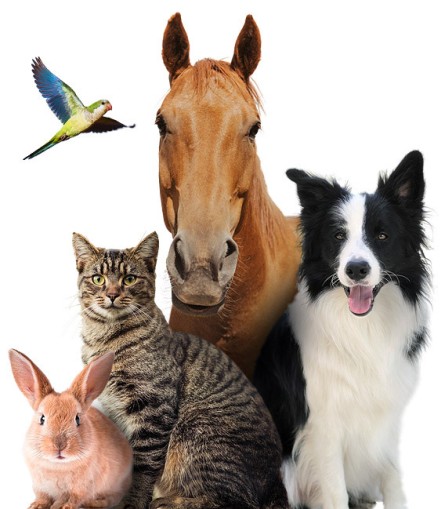
The NZ Companion Animal Register is New Zealand's lost and found pet microchip database.
A microchip is only as good as the information associated to it. Taking steps now to ensure that your pets microchip is properly registered with your up-to-date contact information, could alleviate you of considerable stress and heartache should they ever go missing.
Want to know more?
LostPet is a free lost and found listing service, for both microchipped and un-microchipped pets.
Create your lost or found pet listing, share this to Social Media, print lost pet flyers and spread the word on New Zealand's leading lost and found pet platform.
Want to know more?
Pets may go missing for a number of reasons - spooked by fireworks, a natural disaster or just bolting out an open gate.
Registration means that as soon as an animal's microchip is scanned by one of our approved agents they can contact you and arrange their safe return.
The $15 registration fee is a one-off charge for the life of the animal, and the profits are used to promote animal welfare causes in New Zealand.
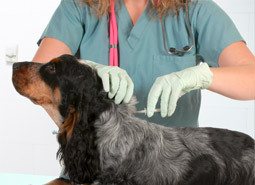
The NZCAR is for all companion animals (pets) including cats and dogs, rabbits, horses, birds, guinea pigs, and many others!
NZCAR registration means that as soon as an animal's microchip is scanned by one of our Approved Users, they can contact you and arrange their safe return. Make sure your details are kept up-to-date.
The $15 registration fee is a one-off charge for the life of your pet, and funds are used to support our (Companion Animals NZ) research, education, and advocacy work to advance understanding of companion animal welfare needs so that animals in New Zealand live a Good Life.